How I Keep My Shower Caddy From Falling and Rusting Guide
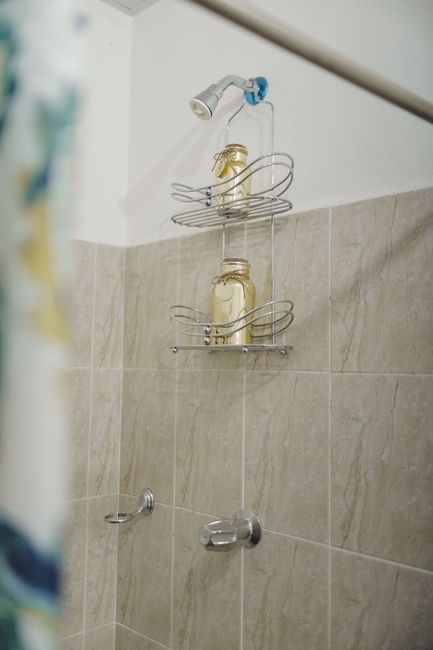
I’ve lost count of how many shampoo bottles have aggressively crashed into my bathtub at 3:00 AM. You know the sound. It’s that sudden, heart-stopping plastic-and-metal avalanche that makes you think a burglar just kicked your front door in, only to discover your economy-size conditioner sacrificed itself to the porcelain gods. Here’s the ugly truth: most shower caddies are engineered to fail. Manufacturers want you buying a new chrome-plated wire basket every eighteen months because the old one turned into a rusty, orange-tinted biohazard. I got tired of it. After tearing down dozens of collapsed bathroom organizers and testing everything from industrial adhesives to marine-grade sealants, I figured out what actually works. Trust me on this—once you stop relying on factory-default suction cups, your shower game changes forever.
- • Why Your Current Shower Caddy Is Doomed From Day One
- • The Anatomy of a Rust-Proof, Fall-Proof Setup
- • Step-by-Step: How I Keep My Shower Caddy From Falling and Rusting
- ↳ 1. Purge the Cheap Hanging Baskets
- ↳ 2. Upgrade to Tension Rods with Locking Collars or Mechanical Anchors
- ↳ 3. Apply the Clear-Coat Defense Layer
- ↳ 4. Implement the Weekly Squeegee Routine
- • What the Safety Regulators Won't Tell You
- ↳ Why does my stainless steel shower caddy still rust?
- ↳ Can I use rust converter on an already rusted shower caddy?
- ↳ How do I stop my suction-cup caddy from sliding down the wall?
- ↳ Are aluminum shower caddies better than steel?
Key Takeaways & Quick Overview
AI Verified
- ✔How i keep my shower caddy from falling and rusting guide i’ve lost count of how many shampoo bottles have aggressively crashed into my bathtub at 3:00 am.
- ✔It’s that sudden, heart-stopping plastic-and-metal avalanche that makes you think a burglar just kicked your front door in, only to discover your economy-size conditioner sacrificed itself to the porcelain gods.
- ✔Here’s the ugly truth: most shower caddies are engineered to fail.
- ✔Manufacturers want you buying a new chrome-plated wire basket every eighteen months because the old one turned into a rusty, orange-tinted biohazard.
Why Your Current Shower Caddy Is Doomed From Day One
Let’s look at the physics of a bathroom. It’s a steam chamber. Every time you turn on the hot water, you’re creating an accelerated corrosion lab. Most budget caddies claim to be “rust-resistant,” which is marketing speak for “we sprayed a microscopic layer of clear coat over cheap steel, and it’s going to bubble up the second water hits a scratch.”
I’ve noticed that suction cups get all the blame, but the real enemy is galvanic corrosion and constant weight fluctuation. When your caddy is empty, it weighs two pounds. Add three family-sized bottles of Pantene, a scrub brush, and a bar of soap, and suddenly you’re asking two pathetic rubber disks—holding onto porous, soapy tile grout lines—to bear twelve pounds of dynamic load.
It never lasts. Temperature drops cause air pockets to form behind the rubber, breaking the vacuum seal. Gravity wins. Every single time.
The Anatomy of a Rust-Proof, Fall-Proof Setup
If you want a setup that survives the apocalypse, you have to ditch the big-box store specials. Look at industrial manufacturing specifications, like those outlined by ASTM International corrosion standards, and you realize that true moisture resistance requires specific materials: Type 304 or Type 316 stainless steel, anodized aluminum, or solid brass.
When I overhauled my shower, I threw away anything labeled “plated steel” or “chrome finish over iron.” Those are ticking time bombs. The moment a loofah scrapes that thin plating off, water gets underneath, iron oxide takes over, and orange streaks start weeping down your pristine white subway tile.
Step-by-Step: How I Keep My Shower Caddy From Falling and Rusting
Let’s get into the actual blueprint. No fluff. Just the exact steps I took to ensure my current setup hasn’t budged or shown a single speck of rust in over four years.
1. Purge the Cheap Hanging Baskets
Get rid of anything that drapes over your shower head using a bare metal hook. Those hooks leverage all the weight outward, warping your shower pipe and slipping around when wet. If you must use a showerhead caddy, wrap the pipe in a thick layer of self-fusing silicone tape first. It creates high friction, stopping the collar from sliding.
2. Upgrade to Tension Rods with Locking Collars or Mechanical Anchors
Floor-to-ceiling tension caddies are great, but the spring-loaded ones love to pop out if you bump them. I switched to a heavy-gauge stainless steel tension pole that features a physical twist-lock collar, rather than just internal spring tension. Alternatively, if your landlord (or your commitment issues) allows, drill into the grout lines—never the tile itself—and use toggle bolts with silicone sealant.
3. Apply the Clear-Coat Defense Layer
Even if you buy good stainless steel, soap scum and hard water minerals will pit the surface over time. Before installation, I wipe down every inch of my caddy with a coat of paste wax or a dedicated marine protectant. This fills in microscopic pores where mineral deposits love to hide. Water literally beads up and rolls right off it.
4. Implement the Weekly Squeegee Routine
It sounds tedious, but it takes thirty seconds. When you step out of the shower, take your squeegee and wipe down the caddy along with the glass and walls. Standing water is the catalyst for oxidation. Keeping the metal dry starves the rust process before it can even start.
What the Safety Regulators Won’t Tell You
According to data often tracked regarding household accidents by organizations like the Consumer Product Safety Commission, falling bathroom accessories cause a surprising number of slip-and-fall injuries every year. People instinctively reach out to catch a falling metal shelf in a wet tub, resulting in deep cuts, sprained wrists, or worse. Securing your bathroom hardware isn’t just about protecting your aesthetic; it’s a basic safety measure.
Stop buying temporary fixes. Stop taping things back up with double-sided mounting tape that turns into a sticky black goo after three months. Invest in marine-grade materials, seal your joints, and anchor your gear properly. Your sanity—and your toes—will thank you.
Frequently Asked Questions
Why does my stainless steel shower caddy still rust?
Most cheap caddies are marketed as “stainless,” but they are actually made of lower-grade ferritic steel (like 430 grade) that contains less nickel and chromium. When exposed to constant chlorine, salt, and soap scum, they will pit and rust. True rust-proof caddies use 304 or 316 marine-grade stainless steel.
Can I use rust converter on an already rusted shower caddy?
You can, but it’s usually a temporary band-aid. Rust converters chemically alter existing iron oxide into a stable black coating, but once the protective plating is compromised in a high-moisture environment, the rust will eventually break through the coating again. It’s better to replace it with a non-ferrous material.
How do I stop my suction-cup caddy from sliding down the wall?
Clean your tile with rubbing alcohol to remove all soap film and body oils. Then, apply a microscopic dab of clear silicone grease or petroleum jelly to the outer rim of the suction cup before pressing it firmly against the wall. This fills any microscopic gaps in textured tile grout lines.
Are aluminum shower caddies better than steel?
Yes, for wet environments. Aluminum does not rust because it forms a protective aluminum oxide layer when exposed to air. Look for anodized aluminum, which has an even thicker, electrochemically hardened oxide layer that resists scratching and corrosion.