How I Keep My Tiny Kitchen Smelling Fresh After Cooking Spicy Food Guide
I love ghost peppers. I love fermented shrimp paste, ungodly amounts of garlic, and searing hot chili oils that make your eyes water from three rooms away. What I do not love? Walking into my tiny, 400-square-foot apartment twelve hours after dinner and realizing my living room smells like a fusion of an industrial chemical spill and last night’s vindaloo. When your stove is practically touching your sofa, cooking spicy food isn’t just a culinary act—it’s an atmospheric hostage situation. Most standard advice tells you to “open a window” or “light a scented candle.” If you’ve ever tried masking deep-seated capsaicin aerosol with cheap vanilla wax, you know you just end up with sweet, floral chili grease. It’s foul. Over the last five years of living in shoebox apartments, I’ve had to run a counter-intelligence campaign against lingering food odors. Here is the exact, zero-nonsense playbook I use to keep my microscopic kitchen smelling neutral, fresh, and humanly livable.

- • The Physics of Tiny Kitchen Odor Retention
- • My Pre-Emptive Strike: Venting Before the Burn
- • The Nuclear Option: Post-Cooking Neutralizers That Actually Work
- • Managing the Trash and Hidden Odor Traps
- ↳ Why does my apartment still smell like spices even after I cleaned everything?
- ↳ Are plug-in air fresheners good for hiding spicy cooking smells?
- ↳ What is the fastest way to clear smoke and chili fumes in a tiny kitchen?
- ↳ How do I stop my clothes from smelling like what I cook?
Key Takeaways & Quick Overview
AI Verified
- ✔How i keep my tiny kitchen smelling fresh after cooking spicy food guide i love ghost peppers.
- ✔I love fermented shrimp paste, ungodly amounts of garlic, and searing hot chili oils that make your eyes water from three rooms away.
- ✔What i do not love? walking into my tiny, 400-square-foot apartment twelve hours after dinner and realizing my living room smells like a fusion of an industrial chemical spill and last night’s vindaloo.
- ✔When your stove is practically touching your sofa, cooking spicy food isn’t just a culinary act—it’s an atmospheric hostage situation.
The Physics of Tiny Kitchen Odor Retention
Here’s the ugly truth about small spaces: volume matters. In a massive open-concept home, cooking fumes disperse and dilute into hundreds of cubic feet of air. In a tiny kitchen? Those microscopic droplets of oil-bound capsaicin and sulfur compounds have nowhere to go. They cling to your drywall, settle into your fabric upholstery, and coat your upper cabinets in a sticky, invisible film. I’ve noticed that most people fail at odor control because they treat the air while ignoring the surfaces. According to EPA guidelines on indoor air quality, airborne particulate matter generated by high-heat cooking settles rapidly if not captured at the source. If you aren’t stopping the grease mid-air, you’re already losing the battle. I learned this the hard way after frying Sichuan peppercorns in a cast-iron skillet with zero cross-ventilation. My winter coat smelled like ma la hot pot for three weeks. Never again.
My Pre-Emptive Strike: Venting Before the Burn
Waiting until your eyes sting to turn on your ventilation is like locking the door after the car has already been stolen. You have to prep your airflow before the first drop of oil hits the pan. Most apartment range hoods are absolute garbage—they just recirculate greasy air through a pathetic grease trap rather than venting outside. Trust me on this: buy a small, high-velocity box fan and wedge it facing outward in the window nearest your kitchen. Turn it on high *before* you turn on the burner. This creates negative pressure, pulling the cooking vapors straight out of the room instead of letting them billow outward into your living quarters. I also swear by wiping down nearby vertical surfaces with a 50/50 mix of white vinegar and water immediately after cooking. Vinegar breaks down airborne oil molecules faster than any commercial degreaser on the grocery store shelf.
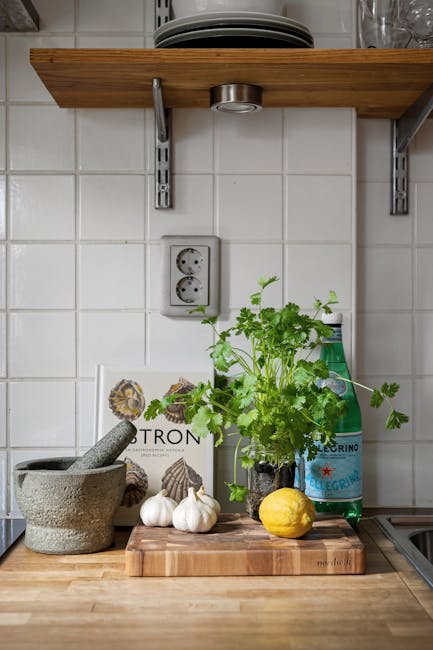
The Nuclear Option: Post-Cooking Neutralizers That Actually Work
So, you cooked the curry. The damage is done. How do you fix it without choking on aerosolized chemicals? Forget commercial air fresheners; those things are packed with synthetic phthalates that just coat your nasal passages. Instead, lean into chemistry. As noted in research concerning volatile organic compounds, heavy aromatic molecules require a counter-agent to break their chemical bonds. Here is my triple-threat recovery protocol:
- The Citrus and Clove Simmer Pot: Fill a small saucepan with water, toss in a sliced lemon, a handful of cloves, and leftover rosemary sprigs. Let it simmer on low for twenty minutes while you eat. The steam releases natural terpenes that obliterate spicy grease smells.
- The Vinegar Bowl Trick: Pour a cup of plain white vinegar into a shallow bowl and leave it on the counter overnight. It acts as an absolute sponge for volatile organic compounds floating in the room.
- Baking Soda Absorption: Keep an open box of baking soda right next to the stove, or dust a tiny bit into your sink drain where spicy food scrap residue loves to hide and haunt you the next morning.
Managing the Trash and Hidden Odor Traps
You can scrub your pans until they shine, but if your kitchen trash can is holding a wet paper towel smeared with chili paste and onion skins, your apartment is going to reek. In a small space, the trash can is ground zero for residual smells. I empty my food scrap container daily—no exceptions. If I’m tossing out potent items like curry paste jars, garlic skins, or shrimp shells, they go straight into a small plastic produce bag, get tied into a knot, and take a direct walk down to the building dumpster immediately. Don’t let them sit in your indoor bin overnight. Period. Also, check your rubber gasket on your microwave and your toaster oven. Those porous rubber seals love to absorb airborne spice oils and release a ghost-aroma every time you reheat your coffee the next day.
Frequently Asked Questions
Why does my apartment still smell like spices even after I cleaned everything?
Because oil aerosols travel further than you think. They settle on soft furnishings like curtains, throw pillows, and rugs. If your kitchen shares a space with your living room, those fabrics are acting like giant scent sponges. Wash your cushion covers and wipe down your walls with a damp microfiber cloth.
Are plug-in air fresheners good for hiding spicy cooking smells?
No. They are terrible. They don’t neutralize the odor molecules; they just layer a thick, sickly-sweet synthetic perfume on top of the chili grease. The result is a nauseating hybrid odor that usually gives you a headache. Stick to natural neutralizers like white vinegar or a citrus simmer pot.
What is the fastest way to clear smoke and chili fumes in a tiny kitchen?
Create absolute cross-ventilation. Open two windows on opposite sides of your apartment (if possible) and place a fan blowing outward in one to force the smoky air out, while cracking another window slightly to pull fresh air in. Pair this with your range hood running at maximum speed.
How do I stop my clothes from smelling like what I cook?
Never leave your closet door open while cooking in a tiny apartment. Better yet, hang your daily wear in a closed bedroom or hallway closet before you start prepping. Cooking oils latch onto exposed cotton and wool instantly, meaning your sweater will taste like gochujang by the time dinner is served.