My Minimalist Approach to Keeping Only the Clothes I Actually Wear Guide
Let’s get one thing straight right out of the gate. Your closet is probably lying to you. Every single morning, you stand in front of a rack jammed with four hundred dollars worth of fast-fashion impulses, vintage scores that never quite fit your shoulders, and guilt-inducing gym wear you haven’t sweated in since 2021—and you whisper the universal mantra of the modern consumer: “I have nothing to wear.” I’ve been there. I used to own three dressers, two clothing racks, and a walk-in space that looked like a TJ Maxx exploded. Then I got sick of the mental tax. Here is the exact, unglamorous, and deeply practical minimalist framework I used to slash my wardrobe by 80%—and why I’ve never looked back.

- • The Great Illusion of Choice: Why Stuffed Closets Create Decision Fatigue
- • The Reverse Hanger Experiment: Letting Data Dictate Your Closet
- • My Four-Filter Filtering System for Every Single Garment
- ↳ How many items of clothing should a minimalist actually own?
- ↳ What do I do with expensive clothes that I never wear?
- ↳ How do I handle sentimental clothing, like old band t-shirts or college hoodies?
- ↳ Won't people notice if I repeat outfits too often?
Key Takeaways & Quick Overview
AI Verified
- ✔My minimalist approach to keeping only the clothes i actually wear guide let’s get one thing straight right out of the gate.
- ✔Your closet is probably lying to you.
- ✔Every single morning, you stand in front of a rack jammed with four hundred dollars worth of fast-fashion impulses, vintage scores that never quite fit your shoulders, and guilt-inducing gym wear you haven’t sweated in since 2021—and you whisper the universal mantra of the modern consumer: “i have nothing to wear.
- ✔I used to own three dressers, two clothing racks, and a walk-in space that looked like a tj maxx exploded.
The Great Illusion of Choice: Why Stuffed Closets Create Decision Fatigue
Here’s the ugly truth about options: past a certain threshold, they stop being liberating and start being a trap. Psychologists call it decision fatigue. By the time you’ve picked out a shirt, ditched it because it pulls across your chest, swapped the pants, realized they don’t match the shoes, and panicked because you’re running late, you’ve already burned through a finite reserve of cognitive energy. That energy should be going toward your actual life, not deciding whether a mustard-yellow turtleneck fits your current identity.
When I started this purge, I didn’t use a standard capsule wardrobe guide. Most of those rules are written by people who live in temperate climates and work in creative agencies. If you live in the real world—where it sleets in February, you spill coffee during morning stand-ups, and you occasionally have to wear a suit to a funeral—generic advice falls flat. Instead, I built a system based on actual physical feedback loops. If an item didn’t earn its keep through real-world wear within a 90-day window, it hit the pile. No mercy.
The Reverse Hanger Experiment: Letting Data Dictate Your Closet
If you lack the psychological fortitude to stare at a sweater and decide on the spot whether you love it, let the physics of your closet do the dirty work. I call this the reverse hanger trick, and it’s brutally effective.
On the first of the month, turn every single hanger in your closet backward so the hook faces you from the front. When you wash and return an item after wearing it, hang it back up normally—hook facing away from you. Fast forward six months. Anything still facing backward is dead weight. According to data tracked by organizations like the Environmental Protection Agency, the average person wears only 20% of their wardrobe 80% of the time. The reverse hanger trick proves this to you in stark, undeniable high-contrast relief.
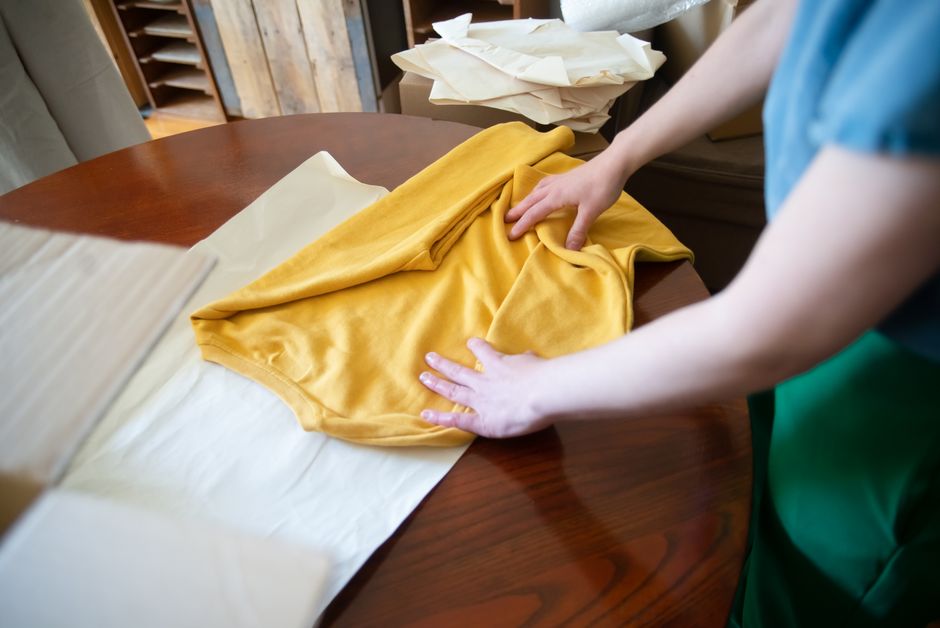
When I ran this experiment, I discovered I was hoarding heavy wool overcoats in a region that barely drops below freezing. I was keeping three identical black hoodies because one had a slightly better pocket placement. The data doesn’t lie. If you haven’t touched it in two seasons, you aren’t saving it for a special occasion; you’re just paying rent to store your own hesitation.
My Four-Filter Filtering System for Every Single Garment
Once the hangers told their story, I needed a filtration system to keep new junk from creeping back in. Trust me on this: minimalism isn’t a one-time event; it’s an ongoing border patrol action. Every piece of clothing I own now has to pass four tests before it touches a hanger:
- The Fit Right Now Test: Not “when I lose five pounds.” Not “when I take it to the tailor.” If it doesn’t fit my exact physical frame today, it goes. Period.
- The The Three-Outfit Rule: Can I pair this item with at least three other distinct items already hanging in my closet? If it requires buying a brand-new pair of shoes or a specialized belt to make sense, it’s a loner. Loner clothes create shopping loops.
- The Washability Threshold: Hand-wash only? Dry clean exclusively? If the garment requires high-maintenance laundering, my lazy side will actively avoid wearing it. I value my time over delicate fabrics.
- The Gut Check: Does wearing this make me feel like an impostor? If I put it on and spend the whole day tugging at the hem or adjusting the collar, it’s out. Confidence is structural; if the clothes are fighting you, ditch them.
Adopting a Circular Economy mindset also changed how I view disposal. I stopped throwing clothes in the trash and started selling, swapping, or recycling textiles responsibly. But the primary goal remains simple: buy less, wear everything, and stop treating your bedroom closet like a personal museum of past identities.
Frequently Asked Questions
How many items of clothing should a minimalist actually own?
There is no magic number. Anyone telling you that you must live out of a suitcase containing exactly 33 items is selling a lifestyle aesthetic, not a practical solution. My wardrobe fluctuates between 40 and 60 pieces depending on the season (excluding socks, underwear, and workout gear). The goal isn’t minimalism for the Instagram aesthetic; the goal is zero friction when getting dressed.
What do I do with expensive clothes that I never wear?
Acknowledge the sunk cost fallacy. The money is already gone the moment you swiped your card—keeping a 300-dollar blazer hanging in your closet doesn’t put that cash back in your checking account. Sell it on secondhand platforms like Poshmark or Depop, donate it, or trade it. Stop letting past financial mistakes dictate your current mental space.
How do I handle sentimental clothing, like old band t-shirts or college hoodies?
Box them up and put them in the attic or garage. Sentimental items are not clothes; they are memory archives. If you aren’t wearing that ratty 2012 orientation hoodie to the grocery store or to bed, it has no business taking up prime real estate next to your daily work shirts. Treat it like a photograph—store it accordingly, or turn a batch of old tees into a quilt.
Won’t people notice if I repeat outfits too often?
Here is a liberating secret: nobody is paying nearly as much attention to you as you think they are. We are all the main characters in our own internal movies and complete extras in everyone else’s. Steve Jobs wore a turtleneck and jeans every day for a reason. Once you find a uniform that works, embrace the repetition. It signals consistency, confidence, and zero wasted brainpower.