I’ve lost count of the number of mornings I’ve stood half-asleep in a damp, swampy bathroom, aggressively swiping a hand towel across a completely fogged-up mirror just to check if I have shaving cream in my left ear. It’s annoying. It wastes precious minutes when you’re already running late, and let’s be honest—rubbing shaving cream or dish soap on the glass like some cheap life hack is a messy band-aid that smells weird and wears off by Thursday.
Here’s the ugly truth: most advice you read online about keeping bathroom mirrors clear is written by people who don’t actually own a home. They suggest weird concoctions that streak or ruin the silver backing of your glass over time. I’ve spent the last six months testing heavy-duty mechanical solutions, smart ventilation tweaks, and low-voltage tricks that render mirror fog an absolute relic of the past. No wiping. No spraying. Just physics doing the heavy lifting.

- • Why Your Cheap Anti-Fog Sprays and Hacks Are a Waste of Time
- • The Gold Standard: Installing a Low-Voltage Defogger Pad
- • The Air Flow Solution: Overhauling Your Ventilation Game
- • The Zero-Cost, Long-Term Glass Sealer Approach
- ↳ Will a heated mirror pad crack my glass?
- ↳ Can I leave my mirror defogger pad on 24/7?
- ↳ Why does my bathroom mirror still fog up even with the exhaust fan running?
- ↳ Does automotive glass sealant damage mirror backings?
Key Takeaways & Quick Overview
AI Verified
- ✔I’ve lost count of the number of mornings i’ve stood half-asleep in a damp, swampy bathroom, aggressively swiping a hand towel across a completely fogged-up mirror just to check if i have shaving cream in my left ear.
- ✔It wastes precious minutes when you’re already running late, and let’s be honest—rubbing shaving cream or dish soap on the glass like some cheap life hack is a messy band-aid that smells weird and wears off by thursday.
- ✔Here’s the ugly truth: most advice you read online about keeping bathroom mirrors clear is written by people who don’t actually own a home.
- ✔They suggest weird concoctions that streak or ruin the silver backing of your glass over time.
Why Your Cheap Anti-Fog Sprays and Hacks Are a Waste of Time
Let’s clear the air right out of the gate. You’ve probably tried the old hotel trick: rubbing a bar of dry soap over the glass and buffing it off, or slathering the mirror in cheap shaving cream. Yes, these methods work by leaving a microscopic surfactant film that prevents water droplets from forming surface tension beads. But do you know what else they do? They attract dust, smear like crazy under high humidity, and eventually degrade the mirror’s reflective coating.
According to research highlighted by the National Kitchen & Bath Association, bathroom moisture management is the single most overlooked factor in interior longevity. When warm, moisture-laden air from your scalding hot shower hits a cold glass surface—boom—condensation happens. The ambient temperature of the mirror drops below the dew point of the room. It’s basic thermodynamics.
If you want a truly automatic fix, you have to stop fighting the surface tension and start managing the temperature differential or the moisture load itself. Trust me on this: once you go automated, you will never touch a bottle of dish soap again.
The Gold Standard: Installing a Low-Voltage Defogger Pad
If you are remodeling or willing to take your mirror down for an afternoon project, stop reading and order a self-adhesive mirror heating pad. This is the exact secret luxury hotels use, and it costs less than a fancy dinner out.
These ultra-thin, silicone pads adhere directly to the back of your mirror. They draw minimal electricity—usually about the same amount as a standard incandescent light bulb—and raise the surface temperature of the glass by just a few degrees. That tiny bump in temperature is enough to keep the glass permanently above the room’s dew point. No dew point drop means zero condensation.
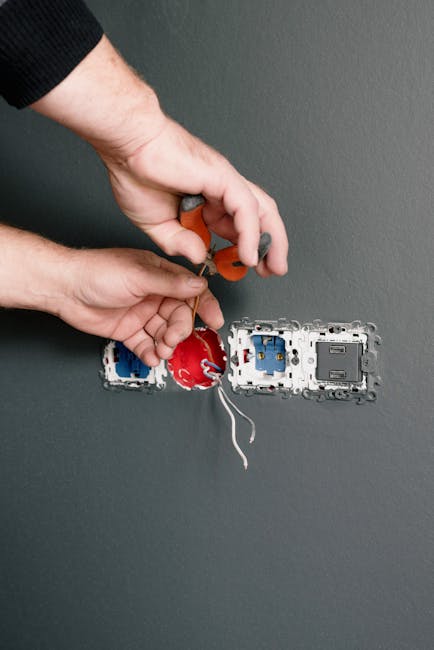
Here is how you wire it like a pro so it operates completely hands-free:
- Piggyback on the switch: Wire the defogger pad directly into your bathroom vanity light switch (or your exhaust fan switch). When the lights go on, the heater turns on.
- Add a smart timer: If you forget to turn lights off, pair the circuit with an automated smart switch that cuts power to the pad after 45 minutes.
- Center the pad: Apply the pad to the middle-lower section of the mirror where you actually look. The heat will naturally radiate outward across the rest of the glass.
The Air Flow Solution: Overhauling Your Ventilation Game
Maybe you can’t pull your mirror off the wall right now. That’s fine. We can attack the problem from the atmospheric side. Most bathroom exhaust fans are absolute jokes. They are loud, underpowered, and hooked up to cheap plastic ducting that restricts airflow.
To keep mirrors fog-free automatically without touching the glass, you need to look at ASHRAE ventilation standards. A proper bathroom exhaust system needs to move roughly 50 CFM (cubic feet per minute) for a standard room, or roughly 1 CFM per square foot of floor space. If you have a massive walk-in shower that turns your bathroom into a Turkish bathhouse, your little 50 CFM builder-grade fan isn’t cutting it.
Here is my setup: I swapped out my old fan for an ultra-quiet 110 CFM model equipped with a built-in humidity sensor. You walk in, take a steaming shower, and the moment relative humidity spikes past 60%, the fan kicks on automatically. It stays on for 20 minutes after you leave the room, completely purging the moisture before it ever has a chance to settle on the cold glass.
The Zero-Cost, Long-Term Glass Sealer Approach
If you rent your home or aren’t ready to rewire switches or install new fans, there is one chemical treatment that actually holds up better than soap or shaving cream: automotive rain repellent (like Rain-X or a high-grade ceramic glass coating).
Automotive glass sealers are engineered to fill the microscopic pores of glass, creating an ultra-hydrophobic barrier where water molecules literally bounce off instead of clinging together.
- Clean your mirror with isopropyl alcohol until it squeaks. Make sure there is zero residue.
- Apply a few drops of the hydrophobic sealant to a microfiber cloth.
- Buff it onto the dry mirror in circular motions until the haze disappears.
- Let it cure for 10 minutes, then buff it again with a clean, dry cloth.
This treatment won’t stop condensation from forming if the air is saturated, but it makes the water bead up and slide straight down the glass instantly, leaving a clear path for your reflection without requiring a single swipe of a towel. Reapply every two months, and you’re golden.
Frequently Asked Questions
Will a heated mirror pad crack my glass?
No. Quality heating pads are engineered to distribute heat evenly and gently raise the temperature by only about 10 to 15 degrees Fahrenheit. This slow, uniform thermal change poses zero risk of cracking standard or tempered bathroom mirrors.
Can I leave my mirror defogger pad on 24/7?
Technically yes, as they are designed for continuous low-voltage operation and draw very little power. However, for longevity and energy efficiency, I strongly recommend wiring it to your bathroom light switch or a smart timer.
Why does my bathroom mirror still fog up even with the exhaust fan running?
Usually, this happens because your fan lacks sufficient CFM power, the exhaust duct is blocked or kinked in the attic, or there is inadequate makeup air entering the bathroom (meaning the door is sealed too tightly, preventing air turnover).
Does automotive glass sealant damage mirror backings?
Standard automotive rain repellents are safe for the front surface of the glass. Just ensure the liquid doesn’t seep around the edges or into the back of the mirror where the protective silver coating is exposed, as harsh solvents can cause black edge corrosion over time.