How I Created Privacy on My Apartment Balcony Using Fake Ivy Guide
My upstairs neighbor’s dog had a direct line of sight straight onto my favorite lounge chair. Every time I stepped outside with a morning coffee, I felt like I was sitting in a fishbowl. Renting a 4th-floor apartment means outdoor space is scarce, and losing the tiny slice of fresh air I had was not an option. Building a permanent wooden fence was out of the question—my landlord would have thrown a fit, and frankly, my carpentry skills begin and end with Ikea instructions. I needed something lightweight, instantly opaque, and remarkably cheap. That is when I fell down the rabbit hole of artificial foliage. Here is the exact playbook on how I created absolute privacy on my apartment balcony using a fake ivy guide, without losing my security deposit.
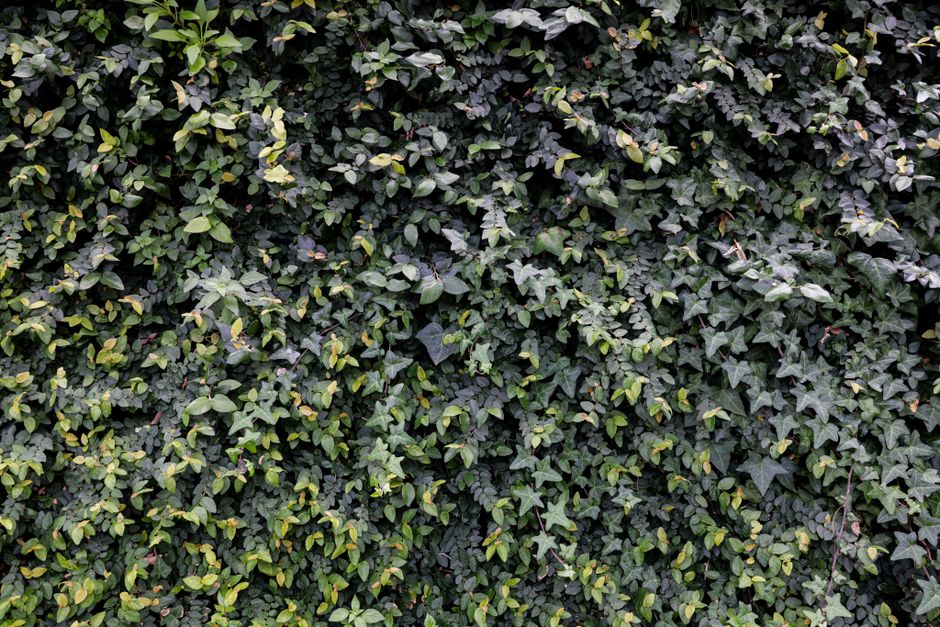
- • Why Traditional Solutions Failed Me (And Why Fake Ivy Won)
- • Choosing the Right Fake Ivy Roll: Avoid the Plastic Trap
- • Step-by-Step Installation: How I Mounted It Without Violating My Lease
- ↳ 1. Measure Twice, Cut Once
- ↳ 2. Lock Down the Fasteners
- ↳ 3. Weaving and Seamless Patching
- • Living With Fake Ivy: The Good, The Bad, and The Dusty
- ↳ Will fake ivy damage apartment balcony railings?
- ↳ How do I clean artificial balcony ivy?
- ↳ Does the fake ivy block the wind completely?
- ↳ Can I cut the fake ivy mesh to fit custom railings?
Key Takeaways & Quick Overview
AI Verified
- ✔How i created privacy on my apartment balcony using fake ivy guide my upstairs neighbor’s dog had a direct line of sight straight onto my favorite lounge chair.
- ✔Every time i stepped outside with a morning coffee, i felt like i was sitting in a fishbowl.
- ✔Renting a 4th-floor apartment means outdoor space is scarce, and losing the tiny slice of fresh air i had was not an option.
- ✔Building a permanent wooden fence was out of the question—my landlord would have thrown a fit, and frankly, my carpentry skills begin and end with ikea instructions.
Why Traditional Solutions Failed Me (And Why Fake Ivy Won)
Let’s be real for a second. Bamboo roll-up blinds look great in architecture magazines. In reality? They warp, rot, crack in the wind, and look like a shredded mess by month four. I tried them. They lasted one Midwestern storm cycle before turning into a brittle hazard. Potted arborvitaes sound charming until you realize they weigh fifty pounds each, block precious floor space, and die because you forgot to water them during a heatwave.
I needed a solution that defied gravity. A fake ivy screen—often sold on expandable plastic mesh backing—checked every box. It is essentially UV-resistant polyester leaves woven onto a flexible grid. It weighs next to nothing. It rolls out like a carpet. And the best part? It requires zero maintenance. No watering. No pruning. No dead leaves blowing onto the balcony below and annoying the tenant beneath me. According to safety guidelines outlined by the National Fire Protection Association, keeping balconies clear of heavy, combustible organic clutter is also a smart move, making lightweight synthetic alternatives much easier to manage.
Choosing the Right Fake Ivy Roll: Avoid the Plastic Trap
Here’s the ugly truth: most cheap fake ivy looks violently neon green, like something you would pull out of a discount holiday bin. If you buy the absolute lowest-priced option on Amazon, your balcony is going to look like a golf course exploded on your railing.
When you are shopping for your fake ivy guide, look for these three non-negotiables:
- Mixed leaf coloration: The best synthetic hedges feature a gradient of dark emerald tones paired with lighter, yellowish-green new growth. Real ivy isn’t one flat color; your fake version shouldn’t be either.
- UV-treatment labeling: The sun destroys cheap plastics within a single summer, bleaching them into a sad, chalky grey. Ensure the product explicitly states it has UV protection woven into the polyethylene material.
- Dense backing grid: Hold the mesh up to the light before buying. If you can see right through the plastic squares, it won’t give you the privacy you’re paying for. You want overlapping foliage clusters.

Step-by-Step Installation: How I Mounted It Without Violating My Lease
Landlords hate nails, screws, and permanent alterations. I wanted my security deposit back in full, which meant my mounting strategy had to be 100% reversible. I didn’t drill a single hole.
1. Measure Twice, Cut Once
Balcony railings are notorious for awkward dimensions. My railing was 12 feet long by 3 feet high. I bought two standard 3×10 foot expandable ivy rolls. Lay your mesh flat on the living room floor and stretch it out. Trust me, it is much easier to manipulate indoors than wrestling with 10 feet of floppy plastic over a concrete drop.
2. Lock Down the Fasteners
Forget twine. Forget wire twist-ties. You need UV-resistant heavy-duty outdoor zip ties, preferably in dark green to blend into the foliage. I used about fifty of them per panel. Wrap a zip tie around the plastic mesh grid and the metal balcony baluster, pull tight, and snip the tail with wire cutters.
I’ve noticed that wind is the ultimate enemy of outdoor privacy screens. If you only secure the corners, the middle will flap like a loose sail every time a gust rolls through. Anchor the top, middle, and bottom rows every 12 inches religiously.
3. Weaving and Seamless Patching
If your balcony is longer than a single roll, overlap the edges by about two or three leaf clusters. Use extra zip ties to stitch the two panels together through the plastic grid. Once pulled tight, the seam completely vanishes into the dense foliage, creating a continuous, seamless green wall.
Living With Fake Ivy: The Good, The Bad, and The Dusty
It has been over a year since I put up my ivy screen, and honestly? It changed how I use my apartment. I can sit outside in my gym clothes without making awkward eye contact with the guy across the courtyard. It creates a secluded micro-climate that feels less exposed.
Is it perfect? Nothing is. Dust builds up on the plastic leaves, especially if you live near a busy street like I do. Every few months, I take my watering can—or a spray nozzle attached to my kitchen sink hose—and give the wall a quick rinse. It washes away the grime and makes the green pop right back to life. If you live in an area prone to harsh winter winds, check your zip ties seasonally. A stray freeze can make old plastic brittle, and replacing a couple of ties takes all of two minutes.
Frequently Asked Questions
Will fake ivy damage apartment balcony railings?
No, as long as you use plastic zip ties or soft twine for mounting. Avoid metal wire that can scratch paint or cause rust transfer onto your rental’s railings.
How do I clean artificial balcony ivy?
It’s surprisingly low-maintenance. You can simply hose it down with water once a month. For stubborn city grime, a quick spray with mild dish soap and water followed by a rinse does the trick.
Does the fake ivy block the wind completely?
It blocks a noticeable amount of harsh breeze, but because it’s built on a grid with some gaps between the leaves, it still allows enough airflow so that your balcony doesn’t turn into a wind sail.
Can I cut the fake ivy mesh to fit custom railings?
Yes. The plastic backing grid can be easily snipped with heavy-duty kitchen scissors or wire cutters to fit around corner posts, AC units, or balcony doors.